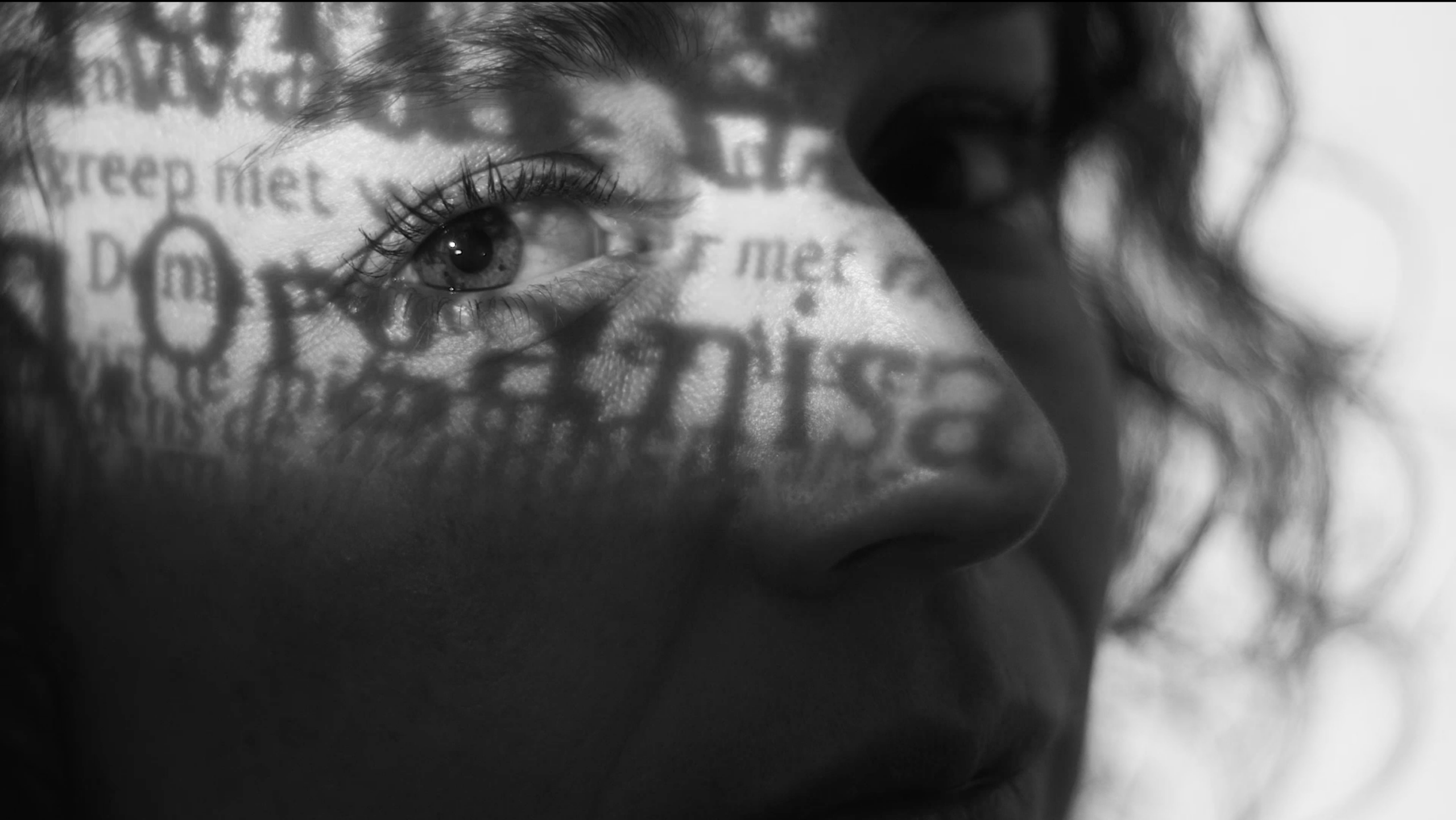
The role of an editor looks very different today than it did a few years ago. The cut is still at the center, but everything around it has grown. We spoke with Zon van Noordwijk, our editor, about what editing means when the role keeps expanding.
On faster projects, especially, there isn’t always time to pass things on or wait for someone else to pick them up. Motion, color, structure, sometimes even direction, many of those decisions now happen directly in the edit. Not because I consciously try to take on more roles, but rather due to the pace of the work naturally pushing things together.
That makes the job more diverse, but also less predictable.
At the same time, it’s never just one version anymore. The same idea gets reworked depending on where it needs to go. That can pull you in different directions if you’re not careful, because there’s always another change you could make, another option to consider.
The hardest part though, is knowing when to stop.
Small things still stand out to me. A cut that’s slightly off, a frame that could be tighter. That instinct doesn’t disappear. But not every detail needs fixing. If something already works, pushing it further doesn’t always make it better. Sometimes it just turns into overthinking.
That sense of “this works” often starts earlier than people expect. Going through footage is not a slow or frustrating part of the process for me. It is usually where things begin to click into place. Certain shots naturally fit together, others immediately fall away. By the time the edit starts taking shape, many of those decisions have already been made instinctively.
Feedback shifts the role again. Sometimes it comes in the form of clear, direct notes. Other times the process is far more open, with ideas developing through conversation. In those moments, I am not simply executing, but helping shape the direction itself. Moving between those two modes has become part of the job.
Even the tools reflect that strange mix of speed and delay. I can have a clear idea and still end up waiting on a render. There is a running joke at our office that everything slows down in the afternoon because America wakes up.
What helps is keeping the process simple. Stepping away after looking at something for too long. Showing versions early. Staying open to different perspectives. And keeping some sense of enjoyment in the work, because that is usually where the best decisions come from.
The landscape keeps shifting. Trends come and go, workflows evolve, expectations change. It rarely stands still for long. For me, the focus is not on chasing every shift, but on adapting without losing my own way of working.
This showreel reflects that. Different projects, different approaches, but shaped by the same thing: knowing when something works, and when to leave it alone.

