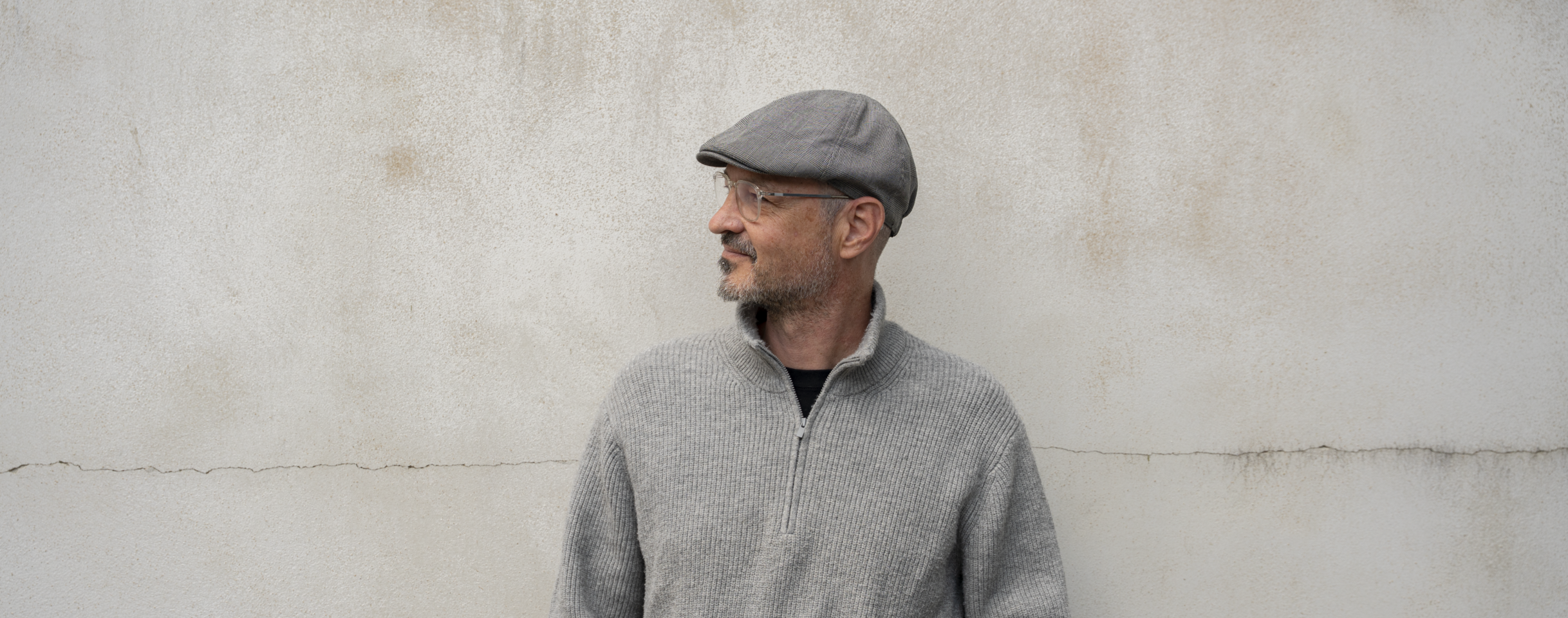
After eight months of working with Ambassadors as a freelancer, Graeme is officially joining the AI team.
His route into AI did not start with a prompt. It started with more than two decades spent making, directing, supervising, building teams and moving between different corners of the creative industry. We sat down with Graeme to talk about creative instincts, starting over in Amsterdam, why AI can be empowering for artists, and what kind of work he wants to make next.
Before AI became part of your work, what shaped your creative eye?
The thing that has stayed true across everything I’ve done is story. I’ve worked in a lot of different areas over the years, from design and advertising to live-action, VFX, animation and long-form work, but the starting point has always been the same: what is the person experiencing? What is the emotion? Where is the human moment?
That is still what I look for now, even when working with AI. The tools have changed, and the process is very different in many ways, but the instinct behind the work has not changed that much.
You can create almost any style, any world, any visual direction now, but that does not automatically make something good. You still need to understand why you are making it, what it is meant to make someone feel, and what part of it makes it alive.
For me, that is where craft still sits. It is not just in the software or the technique. It is in the judgement. It is knowing when something feels right, when something breaks the illusion, and when an image is impressive but empty. If there is no human moment, it does not really matter how polished the result is.
You’ve been working with Ambassadors for eight months now. What made it feel like the right place to stay?
The work was obviously a big part of it. Ambassadors was one of the companies I really wanted to work with when I came to Amsterdam, so in that sense the quality of the work was already there. But what stood out to me most was the people, and the feeling of the place.
I’ve worked in companies where the work was strong, but the atmosphere did not feel right. Here, it felt different. There is a humanity to the place, and a sense that people actually fit together. That matters to me a lot, because I’ve had that before in my career, and I know how rare it is. When I had my own company, that feeling of a team fitting together was one of the most important things to me. It was never only about the work. It was about whether people wanted to be there and felt part of something.
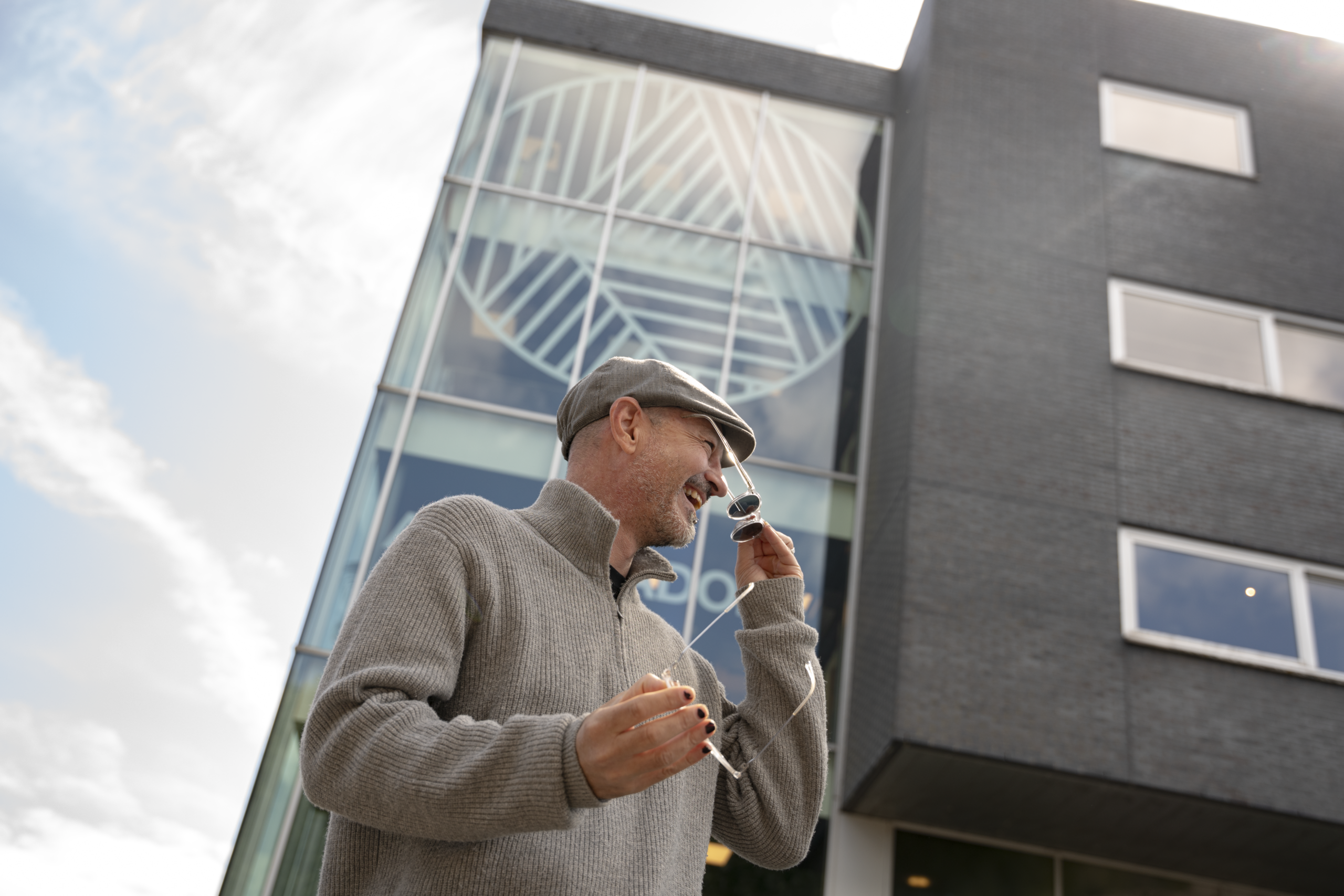
Moving to Amsterdam meant starting again in a lot of ways.
I had built my career and my network in South Africa, and then suddenly I was in a new country, proving myself from the ground up. That is not always easy, especially after so many years in the industry. So finding a place where I feel like I belong, where I can contribute properly and bring more than one small part of myself into the work, means a lot.
What changed for you when AI entered the process?
For me, AI feels like a great leveler. It allows artists to reach beyond the limits of their individual skill set, and that is incredibly empowering when you know how to use it properly.
I never really did 3D, for example. In the past, if I needed something in 3D, I needed a 3D artist. Now I can explore that space myself. That does not mean specialists are no longer important, because they absolutely are. But it does mean the starting point has changed. You can move faster, test more, and get closer to an idea before needing to build the whole machine around it.
I understand why that scares people. If you have spent years mastering one specific skill, and suddenly the tools shift, it can feel like the ground is moving underneath you. But standing still is not really an option. The work is changing, and I think the only useful response is to learn how to work with it properly.
That does not mean craft disappears. If anything, experience becomes even more important. You still need taste, timing, composition, storytelling and a strong eye. You still need to know what feels real, what feels wrong, and what serves the idea. You are not looking through a viewfinder anymore. In a way, the prompt becomes the viewfinder. But you still need to know where to point it.
If the dream brief landed tomorrow, what would it look like?
I would love to work on something for a brand that actually wants to make a difference. Something with purpose behind it, rather than something flashy for the sake of being flashy.
What interests me most is hybrid work: real artists working alongside AI, building new workflows, experimenting and finding better ways of making things. That space feels exciting because it is not just about using a new tool. It is about rethinking the process around it. How do we collaborate differently? How do we make space for artists to lead the work? How do we use AI without losing the thinking, taste and craft that make the work worth watching?
I also love mentoring and teaching. I like demystifying tools and helping people understand that they do not need to be afraid of them. The more people understand how to work with AI, the more interesting the work will become. And hopefully, the less time we spend arguing about whether it should exist.

