This article is an English translation of an interview originally published by MarketingTribune.
Creativity and technology are becoming increasingly intertwined. At Amsterdam-based Ambassadors, this has been part of everyday practice for years.
As a leading international creative production and technology studio, the company helps brands and agencies with design, animation, VFX, post-production, sound, and AI solutions. During NIMA Marketing Day, Diederik Veelo will demonstrate how this works in practice. “What was impossible yesterday may already be possible today.”
Diederik Veelo is Chief Innovation Officer and co-founder of Ambassadors, a creative technology company based in Amsterdam, as well as the founder of Ambassadors Lab, Cube, and Vocoda.ai. These platforms help brands and agencies create, manage, and distribute content more intelligently. His background is in film production, where he initially worked on set before becoming an offline editor and VFX artist for films and commercials. In 2011, Ambassadors launched Cube, a platform for digital asset management and creative automation used by brands such as Booking.com, VodafoneZiggo, and TBWA\NEBOKO to streamline content production and workflows. Ambassadors has its roots in post-production and has been producing creative work for local and international brands for almost 20 years.
Could you explain Ambassadors’ mission and what sets the company apart?
“Ambassadors focuses on maximising the impact of advertising by pushing every project to its creative potential, with craft and technology working together to make that possible. This combination of craft and technology is quite unique. Ambassadors is one of the few companies capable of delivering both at this level, while also having several successful platforms in the market for agencies and brands.”
What makes your approach so distinctive?
“At Ambassadors, the focus is always on creative excellence. Within the limitations of each project, quality remains the highest priority. The mix of disciplines we have in-house means that projects are evaluated from every possible angle, ultimately leading to a stronger result. This may concern the creative side of a project or its technical execution, such as effectively scaling content into hundreds or thousands of versions.”
Could you name some major brands you work with or for which you have created award-winning work?
“We work with brands including Booking.com, Dyson, Uber, Bitvavo, and Adyen, as well as more locally focused brands such as Albert Heijn, KPN, and Nederlandse Loterij. Some of our best-known work includes Albert Heijn’s Hamsters, as well as ‘Stukje van mij’ for KPN, which won virtually every award last year. Other examples include Turkish Airlines with Messi and Kobe Bryant, and many of Centraal Beheer’s ‘Even Apeldoorn bellen’ commercials.”
What production trends are you currently seeing?
“The number-one trend is, of course, the integration of AI. This includes using it to create images, music, and ideas, although perhaps even more importantly, it enables brands to respond and move faster. We can see this acceleration in the growing tendency to bring agency teams in-house. Faster access to insights creates a need for faster, large-scale content production. At the same time, creativity is becoming increasingly important in a world where anyone can create advertising content using the tools that are now emerging.”
Is AI a major topic for you? Can you use it, or do you reject it entirely?
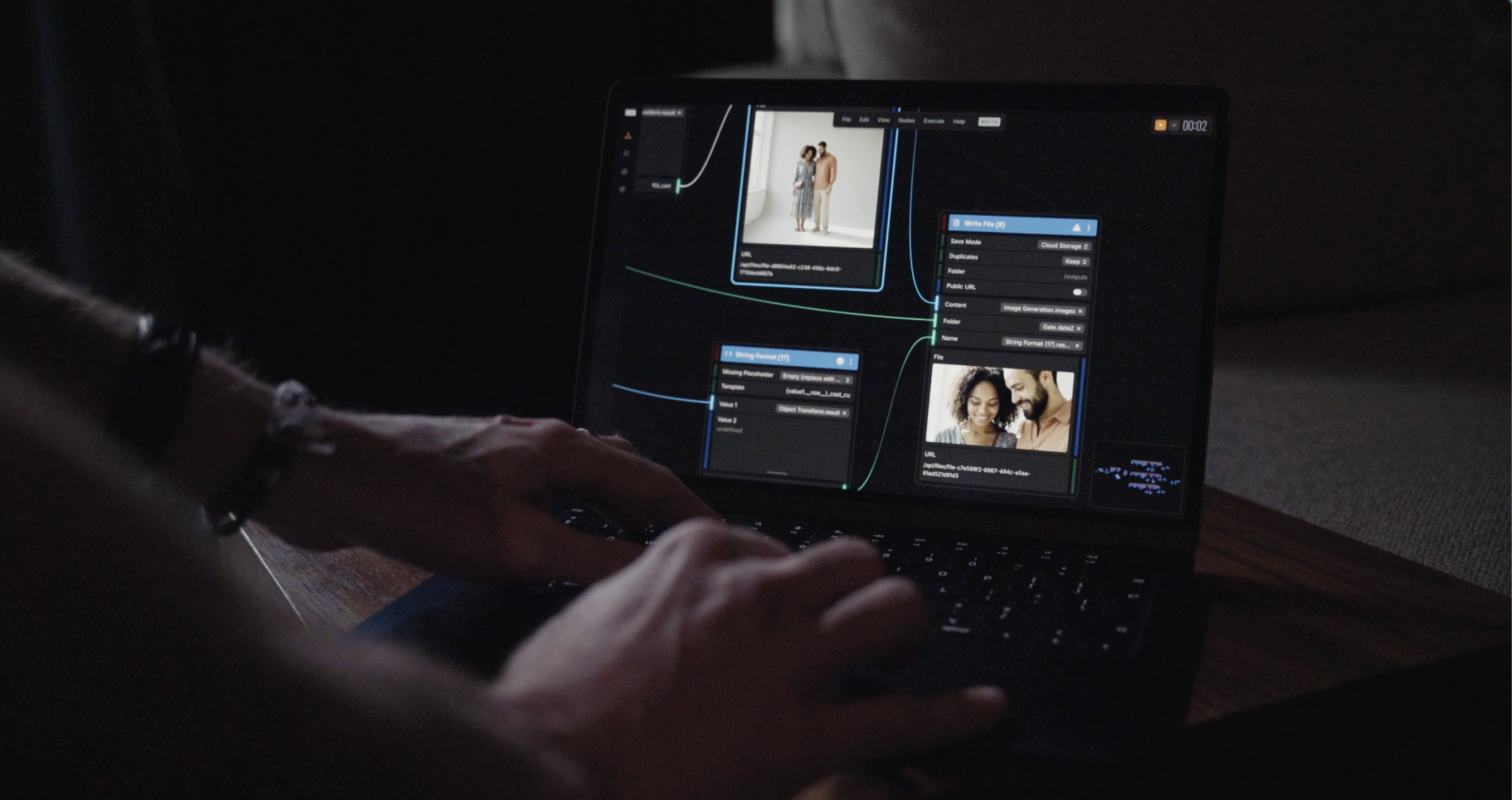
“AI is fully integrated into everything we do. We began developing our own AI models in 2020. This resulted in Vocoda, our AI voice platform, which allows us to produce high-quality voice-overs in 19 languages. It also led to Mosa, our AI automation platform, which equips any creative workflow with scalable AI tools.
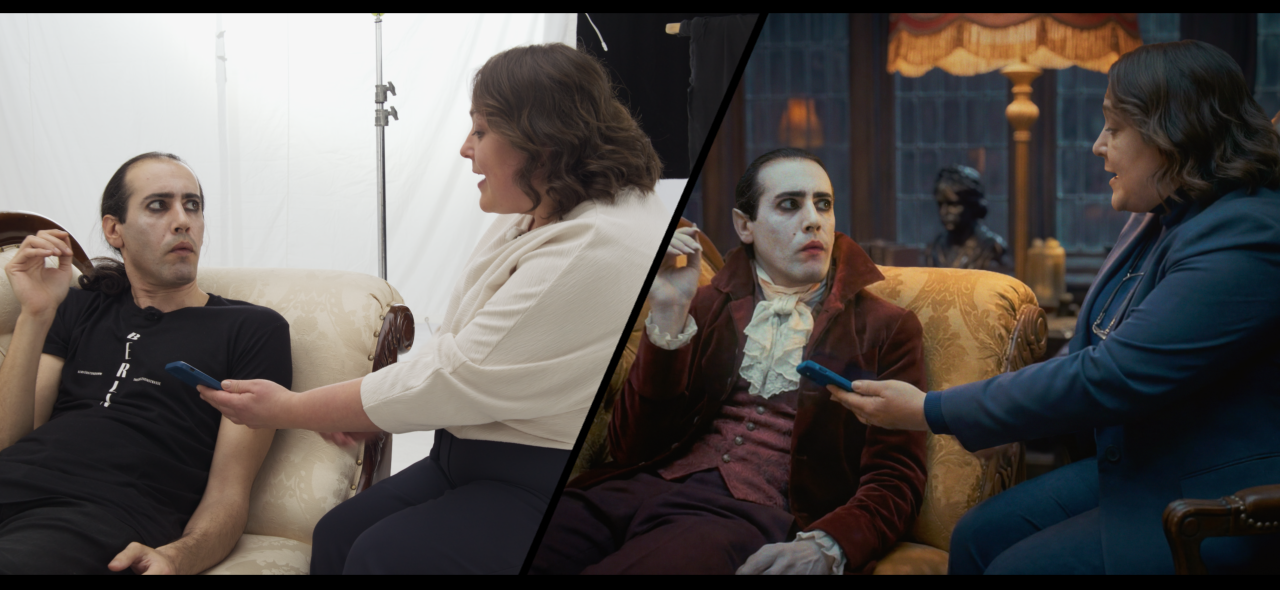
“To be honest, we moved beyond the ethical debate a long time ago. AI allows us to create better work more quickly and represents a significant expansion of our toolkit. We recently launched work for Indeed that was produced with the help of AI. These are films that previously might never even have been conceived because of budget restrictions, but are now within reach.”
What do marketers most often approach Ambassadors for? Or do you prefer to work through agencies?
“Ninety per cent of our work is produced directly with brands, without an agency being involved. In other cases, there is a triangular relationship in which the brand, agency, and Ambassadors operate as one team. Today’s marketers have a strong understanding of what they want, what works, and how it should be done. They increasingly need less support from an advertising agency, although they still need someone who can execute the work exceptionally well.
“That is currently our position. We can bring ideas directly to life and use technology to make greater speed, volume, and scale possible, allowing brands to respond faster than ever before.”
Can brands also approach Ambassadors directly? And can you act as the lead production partner, managing an entire campaign?
“Yes, that is what happens in most cases. We still create work for advertising agencies as well, of course, although this is becoming less common. For most brands, we have everything required in-house. Where necessary, we supplement our team with freelancers and manage the entire campaign.”
What production advice would you give marketers?
“Everything is changing dramatically, at a pace we have never experienced before. What was impossible yesterday may already be possible today. You succeed in this transition by remaining flexible, leaving old ideas behind, and thinking bigger than you may be accustomed to. AI, creativity, and automation make leaps possible that can completely overturn existing playing fields.”
Will you be giving a presentation at NIMA Marketing Day? Can you give us a preview?
“Yes. We will demonstrate how we use AI for brands through several practical examples, including Under Armour, Indeed, and Booking.com. We will also give a demonstration of Mosa, which produced 800 performance marketing assets ‘unsupervised’.
“The only input was a list of countries and cities. Mosa independently searched for notable features of those cities and created assets tailored to the target audience, including casting, videos, titles, voice-over, and music.”
What do you believe is the value of NIMA Marketing Day?
“Bringing marketers together and sharing knowledge and inspiration.”
Finally, is there any other news you would like to share?
“Mosa will be launching soon ;-).”