
Ambassadors’ Generative AI Artist Matteo Volonterio on experimentation, distributed intelligence, and hybrid AI filmmaking
New technologies rarely arrive quietly. They appear first as experiments, then gradually reshape the tools and processes around them. In filmmaking, generative AI is currently in that early stage. It exists somewhere between curiosity and disruption, and artists are still figuring out what it actually means for creative work and work in general.
At Ambassadors, that exploration has become part of a larger conversation around how new tools can sit alongside existing craft rather than replace it. For Generative AI Artist Matteo Volonterio, it became the starting point for Ecology of Synthetic, a short film experiment that investigates what happens when generative systems enter the filmmaking process. Rather than approaching AI as a replacement for filmmaking, the interest here was in understanding how it might work with it.
Where It Started
“My work often begins with research. During my Master’s at the Design Academy, I was looking at how biological systems and technological systems relate to each other. Networks like mycelium were particularly interesting because they show how intelligence and communication can exist across a distributed system rather than in a single centre.”

That idea of distributed intelligence became a conceptual thread that later shaped the film. In nature, many organisms operate through networks rather than centralized control. Take, for example, octopuses: much of their nervous system exists in their tentacles, allowing each limb to sense and react independently. That biological structure offered an interesting parallel with artificial intelligence, and became one of the key references behind the project.
Imagining the Creatures
“In many AI systems, intelligence is also distributed across layers of a network rather than existing in one central brain. Thinking about those parallels made me curious about how biological and synthetic forms might coexist visually.”
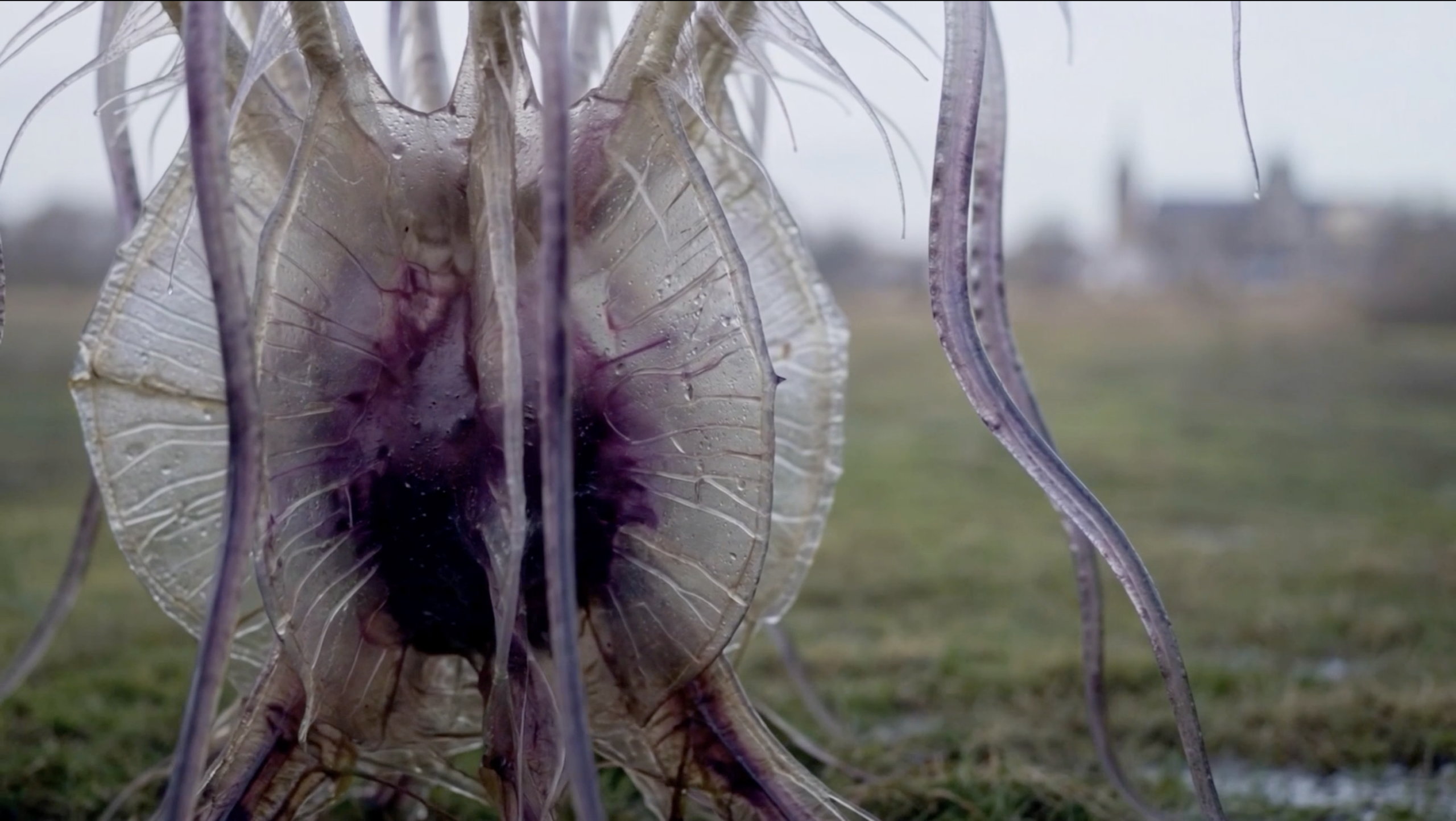
From there, the creatures in Ecology of Synthetic emerged not as traditional cinematic monsters, but as organisms that might plausibly exist within unfamiliar ecosystems. It’s almost like they are meant to belong in our nature.
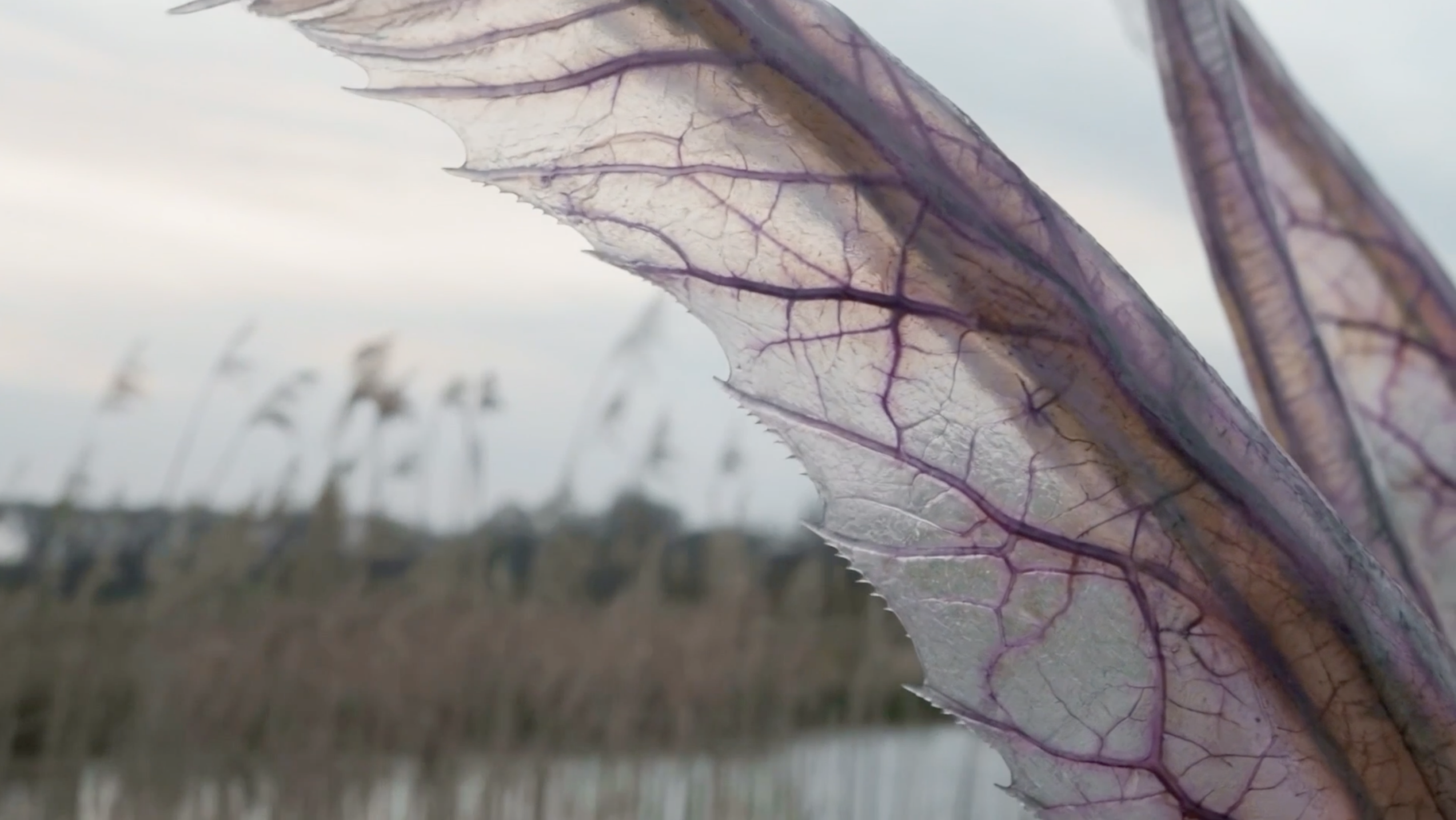
Another important influence came from research into invasive species. Plants such as Japanese knotweed spread aggressively through environments and often reshape the spaces they occupy. That behaviour became a useful metaphor for understanding how new technologies move through creative fields, which is also part of what makes this project feel relevant within a studio like Ambassadors, where experimentation and production are constantly informing each other.
“In a way, technologies behave like invasive species. At first, they appear in small pockets, but over time they start to spread and change the ecosystem they enter.”
The Making
What also makes the project interesting from an Ambassadors perspective is the workflow it begins to point toward. Working with generative systems introduced a very different rhythm to the creative process. Traditional visual effects pipelines often require building assets step by step before seeing the final result. Generative tools, on the other hand, allow for rapid iteration.
“In traditional VFX, you build things piece by piece, and it can take days to see the result. With AI, you can generate enormous amounts of variations very quickly, which opens up a completely different way of experimenting.”
That speed changes the artist's role as well. Instead of constructing every detail manually, the creative focus shifts toward defining intent, selecting results, and refining direction.
“With AI, you move into more of a creative director position. Instead of building something step by step, your role becomes communicating the vision clearly, giving the right references, and guiding the system until you arrive at the result you want. The process itself is rarely predictable. In fact, unexpected outcomes often become the most valuable part of the experiment.”
“Sometimes even mistakes or misinterpretations from the AI show you something that is actually better than what you originally had in mind. The process drifts a bit, but that’s part of creativity. You keep the parts that work and guide the rest back toward your vision.”
What's Next?
At this stage, Ecology of Synthetic represents an early but meaningful example of how generative tools might integrate into filmmaking workflows at Ambassadors. It allowed space to test ideas in a relatively open environment and begin mapping out what a hybrid approach could look like in practice. The next step will be pushing that approach into more complex visual scenarios.
Working with fictional organisms offers a certain degree of freedom. Because they do not exist in the real world, small variations in their appearance remain believable. Integrating humans or dense urban environments presents a different level of challenge, where even minor visual inconsistencies become noticeable.
“Creative processes are rarely linear. They almost never move from A to B. You test, experiment, adjust, and gradually move toward something that feels right.”
That mindset feels especially relevant now. At Ambassadors, where craft and creative technology increasingly meet, Ecology of Synthetic sits somewhere between research and filmmaking, offering a glimpse into how future productions might combine camera-based craft with generative systems in ways that are still being discovered.
Curious to see how it translates on screen? Watch the full film on our Works page.

