Ecology of Synthetic
- AI
Exploring the Space Between Filmmaking and Generative AI
What happens when AI enters filmmaking not as a shortcut, but as a collaborator?
In this short experimental film, Ambassadors' Generative AI Artist Matteo Volonterio set out to explore exactly that.
The project began the traditional way: with a camera and a landscape. Filmed on a Sony A7 with an analogue Minolta 50mm lens, the environments seen on screen are entirely real. The goal was never to generate a world from scratch, but to build on the subtle qualities of real cinematography: light, atmosphere, and depth.
And only after the footage was shot did the second layer begin.

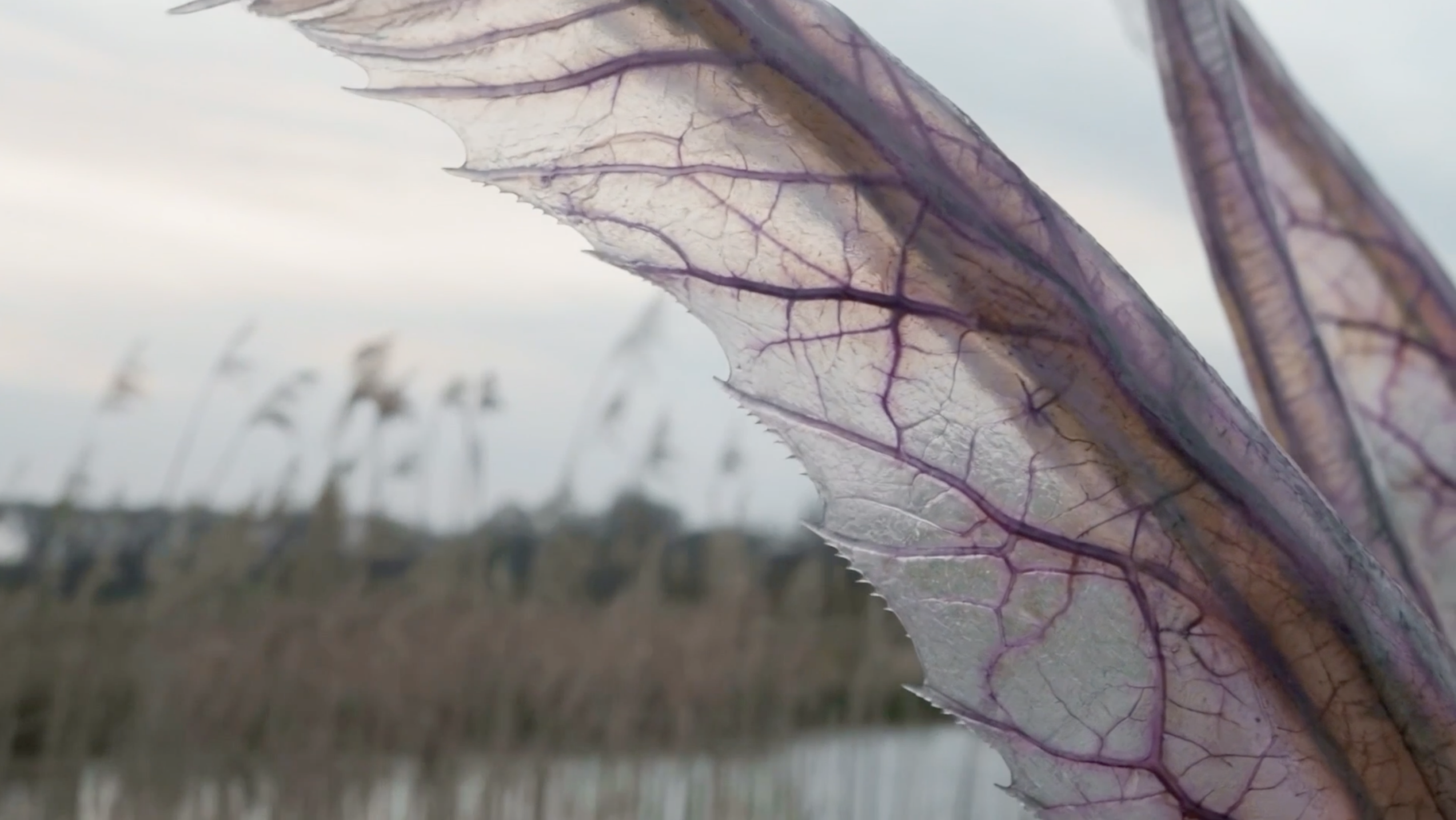
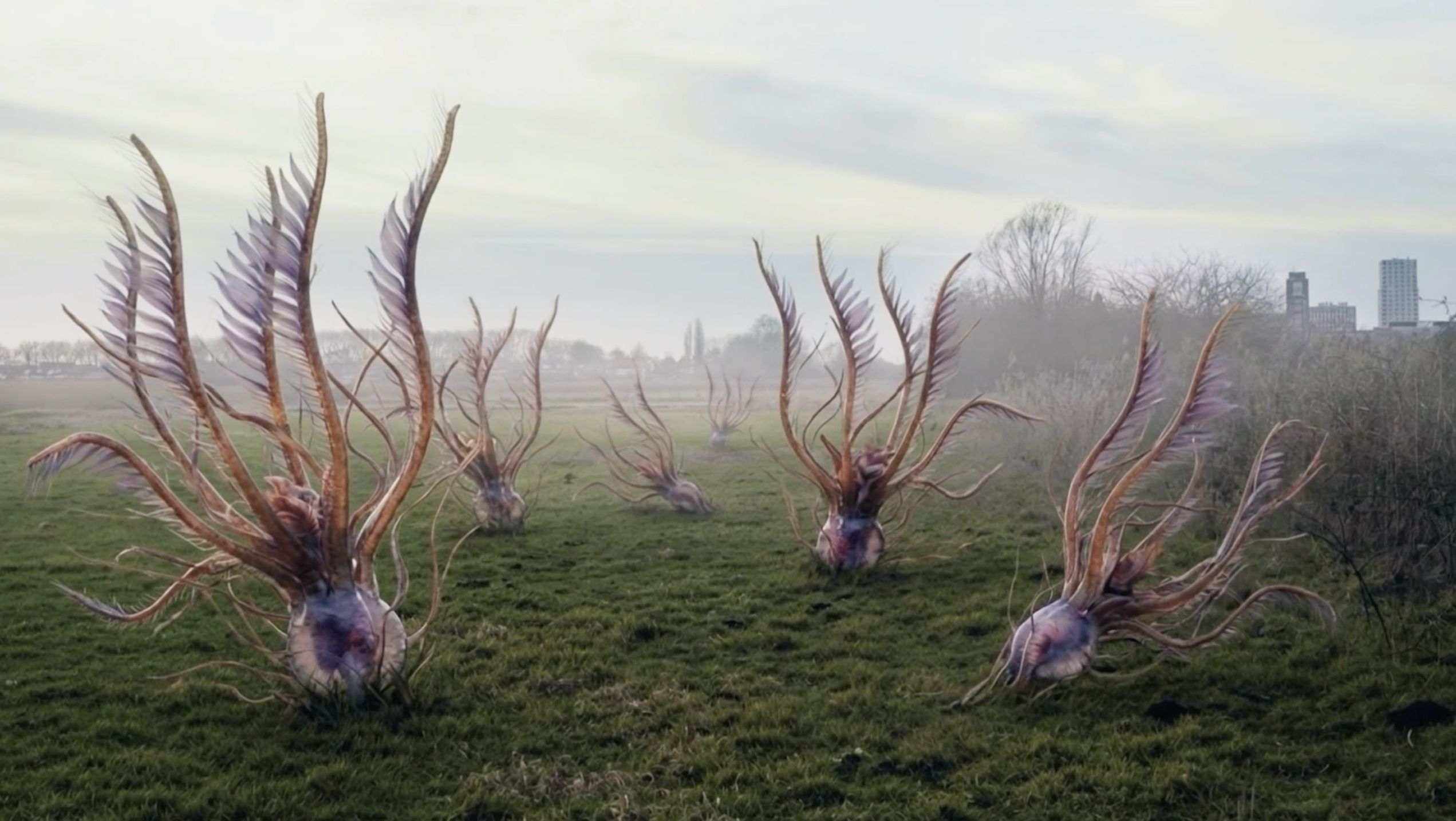
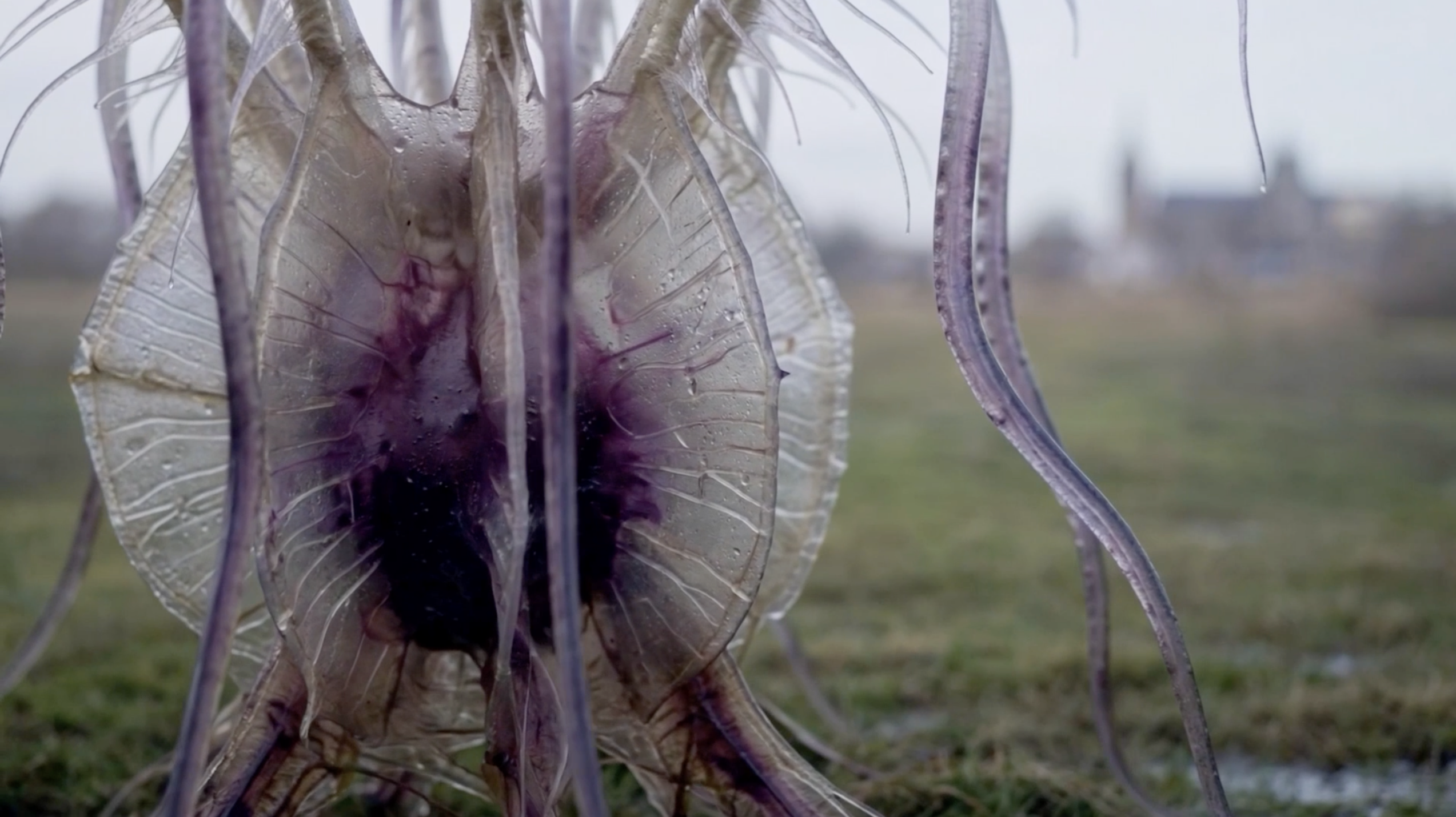
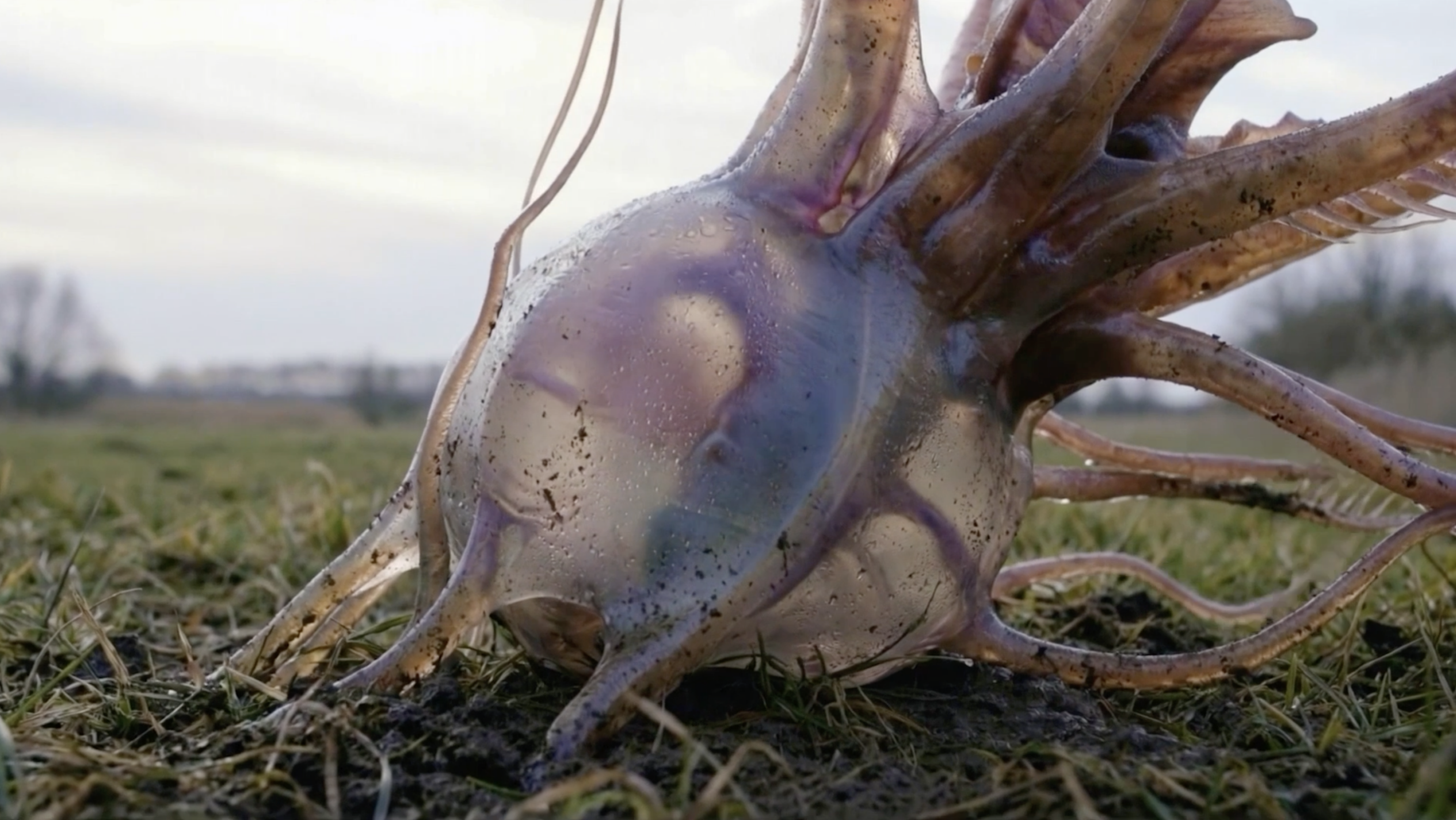
Across these landscapes, Matteo introduces a set of alien-like organisms. Their design draws from marine life such as jellyfish, crinoids, and octopuses. Creatures that already feel strange and complex despite existing in nature. The octopus in particular became a key reference point. Much of its nervous system lives in its arms, allowing each limb to sense and react independently. That idea of distributed intelligence became a conceptual bridge between biological systems and artificial ones.
The creatures appear quietly within the frame. Sometimes close to the lens, sometimes further away. They feel unfamiliar, but not entirely out of place.

The project was also influenced by research on invasive species such as Japanese knotweed, a plant known for spreading rapidly through ecosystems and even affecting property values due to the damage it causes to buildings. Matteo saw a parallel with the way new technologies move through creative fields. Slowly at first. Then suddenly everywhere.
From a production perspective, the experiment explores a new kind of workflow. Real cinematography forms the foundation, while generative tools extend the scene and introduce additional perspectives. Some shots remain grounded in the original footage. Others expand the same world through AI-generated angles derived from the same lighting and visual logic.
As Matteo puts it:
“With AI, you move into more of a creative director position. Instead of building something step by step, your role becomes communicating the vision and guiding the system until you arrive at the result you want.”
What began as a visual research project, Ecology of Synthetic explores the creative potential of hybrid AI filmmaking. An example of what becomes possible when camera craft and generative systems work together, opening new visual territory for future productions.
For a closer look at the thinking behind the project and Matteo’s approach to working with AI, read the full article here.
